
How to Choose the Right Cooking Oil for Healthy Cooking
Cooking oil is one of the most important ingredients in every kitchen. From sautéing vegetables and preparing curries to deep frying snacks, the oil you choose can influence both the taste of your food and your overall health. Selecting the right cooking oil isn’t about finding a single “best” oil—it’s about choosing an oil that suits your cooking method, nutritional needs, and lifestyle. Experts generally recommend considering factors such as fat composition, smoke point, processing method, and intended use when selecting an oil.
1. Understand the Fat Composition
Different oils contain different proportions of:
- Monounsaturated fats (MUFA)
- Polyunsaturated fats (PUFA)
- Saturated fats
A balanced intake of healthy unsaturated fats can support heart health. Oils such as sunflower, groundnut, rice bran, mustard, and olive oil offer different fatty acid profiles and can be used based on your dietary preferences.
2. Consider the Smoke Point
The smoke point is the temperature at which oil begins to break down and produce undesirable compounds. Oils used for deep frying and high-heat cooking should have a higher smoke point, while some oils are better suited for low-heat cooking or dressings.
3. Match the Oil to Your Cooking Style
Different oils work best for different purposes:
- Sunflower Oil: Suitable for everyday cooking, frying, and sautéing.
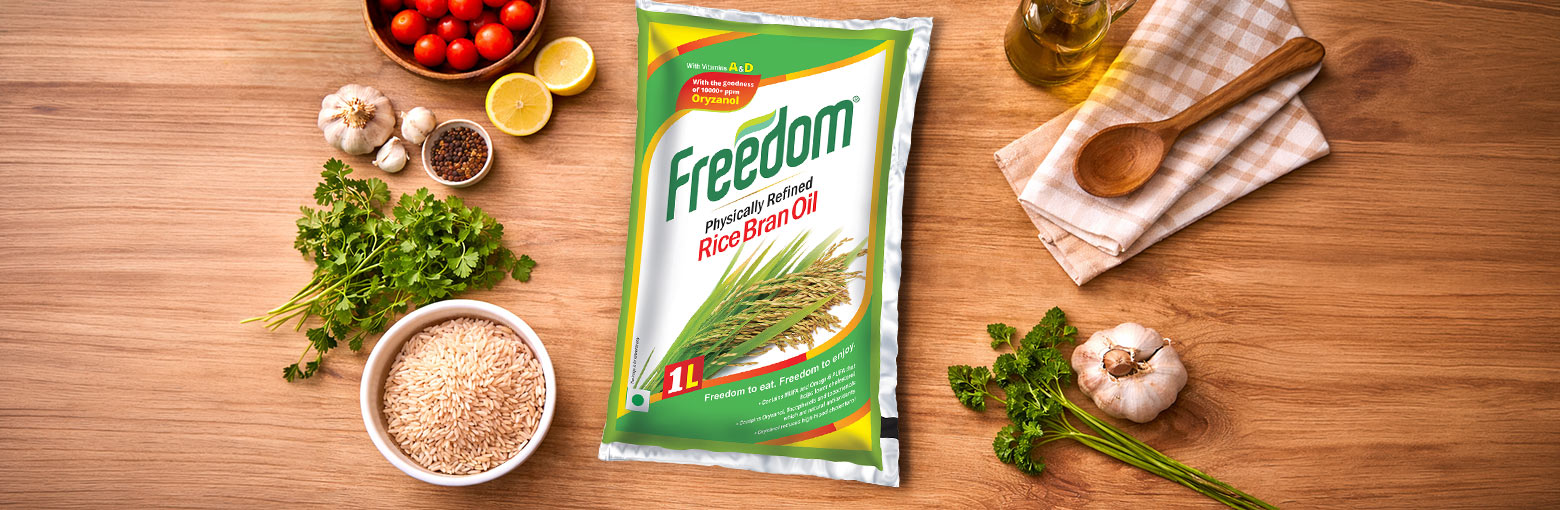
- Rice Bran Oil: Often chosen for its balanced fat profile and versatility.
- Groundnut Oil: Popular for deep frying and traditional Indian cooking.
- Mustard Oil: Preferred for pickles, seafood, and regional Indian cuisines.
- Olive Oil: Ideal for light cooking, salads, and dressings.
4. Check the Processing Method
Cold-pressed oils retain more of their natural compounds and flavour, while refined oils are generally more stable for high-temperature cooking. Choosing the right type depends on how you plan to use the oil.
5. Read Labels Carefully
Avoid being influenced solely by marketing claims such as “cholesterol-free” because all plant-based oils are naturally cholesterol-free. Instead, focus on the ingredient list, nutritional information, and the intended use of the oil.
6. Rotate Oils for Variety
Nutrition experts and food authorities often recommend using a variety of oils rather than relying on a single type. Different oils contribute different fatty acids and nutritional benefits to your diet.
Freedom Healthy Oil Range for Different Cooking Needs
Depending on your recipe and cooking method, you can choose from:
- Freedom Refined Sunflower Oil for everyday cooking and frying
- Freedom Rice Bran Oil for balanced daily cooking
- Freedom Double Filtered Groundnut Oil for traditional recipes and deep frying
- Freedom Kachi Ghani Mustard Oil for pickles, seafood, and regional cuisines
Choosing the right cooking oil is an important step towards healthier eating. By understanding smoke points, fat composition, and cooking requirements, you can make informed choices that enhance both the flavour of your food and your family’s well-being.